Most people searching for a local service are ready to act. They are not browsing casually or doing general research. They want a local plumber, a landscaper, or someone nearby who can solve their problem today. At FirstPage Marketing, we work with businesses across the Fraser Valley and beyond to make sure they show up when those searches happen. Implementing the right local SEO strategies for businesses is not complicated, but it does require consistency and a genuine understanding of how search engines evaluate local relevance.
What is Local SEO?
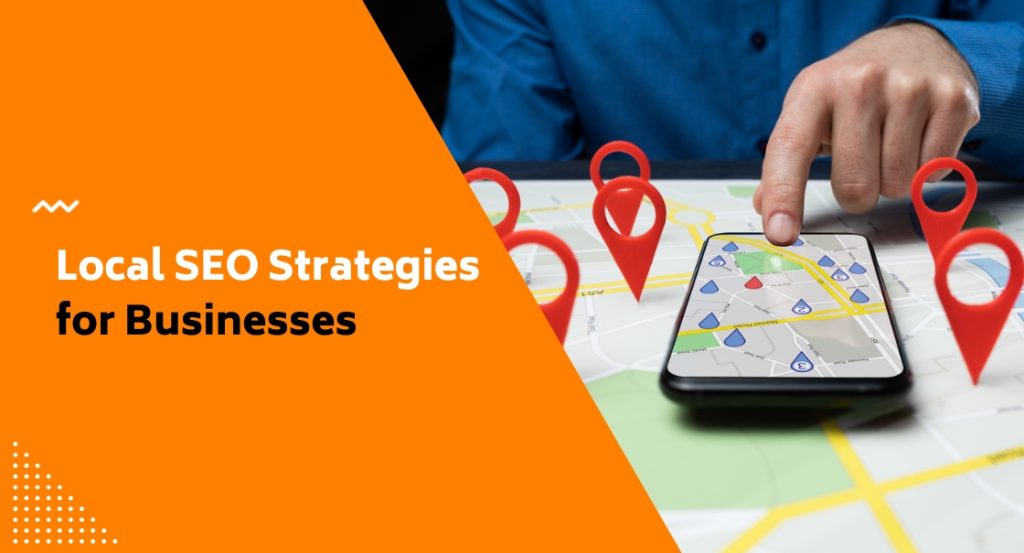
Local SEO is the practice of optimizing your online presence to attract customers from a specific geographic area. Where general SEO focuses on ranking for broad search terms across a wide audience, local SEO narrows that focus to the cities, neighbourhoods, and regions where your customers actually live and work.
A pizza restaurant in Abbotsford does not need to rank nationally for “pizza.” It needs to rank when someone in Abbotsford searches “pizza near me.” Local SEO is what makes that possible. It encompasses everything from how your Google Business Profile is set up to how your website mentions the communities you serve.
Local SEO vs. National SEO: Choosing Your Geographic Focus
Before building any SEO strategy, think clearly about the geographic scope you are actually trying to reach. A business that serves only the Lower Mainland of British Columbia will not gain much from pursuing national rankings. The competition at that scale is far broader, and most of those clicks will not lead to customers who can walk through your door.
Regional SEO focuses on a defined area, whether that is a single city, a cluster of communities, or a broader region like Southwest Canada. The tighter the geographic focus, the more achievable strong rankings tend to be. A business can also use a regional approach as a building block, winning its local market first and then expanding outward as it establishes authority.
Choosing the right geographic scope from the start keeps your efforts focused and your results meaningful. If you are unsure which approach fits your business, getting that clarity before spending time and budget on the wrong geographic focus is well worth the effort.
Why Local SEO Matters for Your Business
Customers who find your business through a local search are among the most qualified leads you will encounter. They are searching from within your service area, they have a specific need in mind, and many of them are ready to make a decision quickly. Showing up for those searches puts your business directly in front of people who are ready to buy or book.
If your competitors are appearing in local results and you are not, the business does not split evenly. It goes to whoever shows up. Local SEO is what determines whether that business comes to you.
Claiming and Optimizing Your Google Business Profile
Your Google Business Profile (GBP), formerly known as Google My Business, is the single most important element of any local SEO strategy. It is what populates the local pack, those map-based results that appear prominently at the top of the page when someone searches for a local service. Without a complete, well-maintained profile, your business is largely invisible to local searchers regardless of how well your website performs otherwise.
Fill Out Every Section
Claiming your listing is only the first step. The real work is in populating it thoroughly. Include your business name, complete address, phone number, website, and hours. Choose your primary business category carefully, selecting the most specific option that accurately describes what you do. Secondary categories are available and useful, but they should reflect genuine aspects of your business rather than an attempt to appear for as many searches as possible.
Add high-quality photos of your location, your team, your products, and your work. A complete profile with photos communicates credibility and gives potential customers a much clearer sense of what to expect. Write a solid business description that explains what you offer and who you serve, incorporating relevant local keywords naturally.
Use Google Posts and Stay Current
Google Posts allow you to share updates, offers, and announcements directly on your profile. These posts signal to Google that your business is active and engaged, which matters for how the profile is ranked. Businesses that leave their profiles dormant after initial setup miss a straightforward opportunity to stay visible. Posting regularly, even briefly, keeps your profile looking current to both search engines and potential customers reviewing it.
Google Business Profile continues to add and refine features over time. Staying familiar with what is available and making use of new features when they are relevant to your business is a worthwhile habit.
Claim Your Bing Places Listing Too
Most businesses focus exclusively on Google, but Bing holds a meaningful share of search traffic that is worth capturing. Claiming your Bing Places for Business listing follows a similar process to Google and ensures your business is visible to users on that platform as well. The effort involved is minimal relative to the additional local exposure it provides.
Building Local Citations and NAP Consistency
A citation is any mention of your business name, address, and phone number (NAP) across the web. These mentions appear in directories, review platforms, social media profiles, and local listings. Search engines use them collectively to verify that your business is real, to confirm where it operates, and to assess its legitimacy within a local market.
Consistency is what makes citations work. If your address appears differently across platforms, those discrepancies create confusion. Something as minor as abbreviating “Street” to “St.” on one listing while spelling it out on another, or omitting a suite number in one place, can cause search engines to question which version of your information is accurate. That uncertainty can suppress your rankings or result in incorrect information being displayed to searchers.
Start with the directories that carry the most weight: Google Business Profile, Bing Places, Apple Maps, and Yelp. From there, expand to industry-specific directories and local business associations relevant to your area. For businesses in the Fraser Valley, local directories and chamber of commerce listings add an extra layer of geographic credibility that signals genuine community presence.
Creating Location-Specific Content
Showing up in local search results requires more than NAP information and a business profile. Your website needs content that clearly communicates where you operate and who you serve. Start with the basics: your address and phone number should appear in your site header or footer so they are visible on every page. Embedding a Google Map with your business listing on your contact or about page reinforces your location signal further.
Regional Landing Pages
For businesses serving multiple cities or communities, dedicated regional landing pages are one of the most effective local SEO tactics available. Rather than relying on a single page to rank across all service areas, individual pages built around specific locations allow you to address each market directly.
A regional page for Abbotsford, for example, would incorporate terms like “Abbotsford electrician” in the heading, body content, meta title, and meta description. The same structure would be repeated for Chilliwack, Langley, Surrey, and any other areas you serve. What matters is that each page contains genuinely unique content rather than the same text with city names swapped out. Include local reviews, reference the specific challenges customers in that area face, and demonstrate actual familiarity with the community.
Using local keywords is valuable, but going overboard crosses into keyword stuffing, which can damage rankings rather than improve them. Use location terms where they fit naturally and read well to a real person.
Content That Demonstrates Local Knowledge
Beyond regional pages, locally relevant content on your blog or resource section signals genuine community connection. A landscaping company might write about plant varieties that suit the Fraser Valley climate. A financial advisor could address economic considerations specific to British Columbia businesses. This kind of content attracts local readers and earns links from other local sites, both of which reinforce your local relevance in the eyes of search engines.
Earning and Managing Customer Reviews
Reviews affect both local search rankings and purchase decisions. Businesses with stronger review profiles tend to rank higher in local results, and a well-maintained presence on review platforms is often what pushes a potential customer from considering your business to contacting you.
Building reviews requires a proactive approach. Train your team to ask for them at the right moment, typically when a customer has just expressed satisfaction with the service they received. Make it easy by sending follow-up messages with direct links to your Google Business Profile and Facebook page. The fewer steps involved, the more likely customers are to follow through.
Responding to reviews matters just as much as collecting them. Thank customers for positive feedback, and address negative reviews professionally and constructively. How a business handles criticism is often more revealing than the criticism itself, and potential customers pay attention to it. Never buy reviews or offer incentives to get them. Search engines have become skilled at detecting review manipulation, and the consequences for getting caught are severe.
Optimizing Your Website for Local Search
Your website and your Google Business Profile need to work together. A strong profile can attract searchers to your listing, but your website is what they evaluate before deciding to contact you. It also carries its own set of local signals that affect where your business ranks.
On-Page Local Signals
Include your city and service area naturally in your homepage content, title tags, and meta descriptions. Your contact page should prominently display your complete contact details and an embedded map. A footer that shows your contact information on every page of the site reinforces your geographic relevance consistently across the entire domain.
Schema Markup and Structured Data
Schema markup is code added to your website that explicitly communicates information about your business to search engines, including your location, operating hours, contact details, and the services you offer. Rather than relying on search engines to interpret that information from your page content, schema markup tells them directly. Adding LocalBusiness schema to your site is one of the cleaner technical signals you can provide, and Google offers a free Structured Data Testing Tool to verify that it has been implemented correctly.
Mobile Optimization
The majority of local searches happen on mobile devices, which means mobile performance directly affects how often your website appears in those results. Pages need to load quickly and display cleanly across screen sizes, with common actions like calling or getting directions easy to complete. A mobile experience that requires zooming, excessive scrolling, or slow load times will push visitors away before they have a chance to contact you.
Building Local Links and Partnerships
Links from other local websites carry geographic relevance that general backlinks cannot replicate. A link from a local chamber of commerce or a regional news outlet tells search engines that your business is a recognized part of that area, not just a business that claims to operate there.
Sponsoring local events, joining business associations, contributing to community initiatives, and building partnerships with complementary businesses in your area are all natural ways to earn these links. Guest contributions to local publications can also generate coverage that points back to your site. The relationships matter for their own sake, and the links that come from them are a byproduct of genuine community involvement.
Measuring Your Local SEO Success
Consistent effort without measurement produces inconsistent results. Your Google Business Profile provides insights on search impressions, direction requests, calls from the profile, and how visitors found it in the first place. These numbers tell you whether your profile is actively generating business or just taking up space.
Track your rankings for the local search terms relevant to your business and monitor how much of your website traffic originates from local searches. Pay attention to which location-specific keywords are driving the most engaged visitors, not just the most clicks. That data shapes where to invest further and what to adjust. Local SEO rewards businesses that treat it as an ongoing process rather than a one-time task.
The combination of a well-maintained Google Business Profile, consistent citations, targeted content, and genuine community engagement creates a local search presence that compounds over time. If you want to build that presence for your business, our team is ready to help. We have been working with local and regional businesses for over two decades, and we understand what it takes to rank well in competitive local markets. Give us a call at 604-866-2230 and we can work through a local SEO strategy that fits your market and your goals.