
Most manufacturing buyers make up their mind about a vendor long before anyone from sales ever picks up the phone. We help manufacturers show up clearly during that research phase, whether the person evaluating you is an engineer checking tolerances or a procurement lead comparing quotes.
A manufacturing sale rarely comes down to one person or one conversation. Multiple people weigh in, and technical accuracy gets scrutinized, often across a process that stretches for months. That reality shapes everything about how we approach manufacturing clients.
Generic marketing content gets spotted fast by people who read spec sheets for a living, and it costs credibility the moment it happens. Before we write a word of copy, we get specific about your products and the technical details that matter to the people evaluating you.
A lot of manufacturers store their most valuable technical content in PDFs that search engines can barely read, which means engineers searching for exactly what you make never find you. We turn that content into pages that rank and get cited, including by the AI tools more buyers are starting their research with.
A capital equipment sale can take most of a year to close, and your marketing activity needs to keep pace with that instead of resetting every three months. We build campaigns meant to stay in front of a buying committee for as long as it takes them to decide, adjusting the mix as the deal moves through each stage.
Small contract manufacturers and larger multi-line operations have come through our doors for more than two decades, and each one taught us something about what moves a technical buyer to act. That range means your account isn’t the first manufacturing client we’ve had to figure out.
It’s easy for a marketing partner to lose interest somewhere in month four of a nine-month sales cycle, and we try hard not to be that partner. You’ll deal with people who stay familiar with your product line and your buyers from the first call through to the signed order.
Seeing how something is made changes how we write about it, and that’s worth the drive. We’re based out of the Fraser Valley and Calgary, and we’ll come to your facility if that’s what it takes to understand your process well enough to market it properly.
A component supplier selling almost entirely through distributors needs a different plan than an OEM selling directly to plant managers, so what we build depends on how your particular business sells.
Engineers searching for a part number or a specific tolerance are further along than someone typing a broad industry term, and your site needs pages built for both kinds of searches. We turn spec sheets and technical documentation into crawlable, structured content instead of leaving that information locked inside a PDF nobody can search.
LinkedIn has become one of the main places industrial buyers research vendors, especially younger procurement and engineering staff, and plenty of manufacturers still aren’t running ads there. We build paid campaigns across Google and LinkedIn aimed at generating requests for quote worth following up on, not just a high volume of forms that go nowhere.
A short video of your equipment running tends to do more for credibility than another static graphic, and manufacturing buyers respond well to seeing the real thing. We build a social presence around your actual capabilities and process, aimed at procurement and engineering audiences rather than a general consumer feed.
Someone comparing three or four suppliers wants to find your specs and a way to request a quote without digging through five menus to get there. We design manufacturing sites around exactly that path, and ownership of the finished site stays with your company rather than a platform that locks you in.
Counting form submissions tells you very little if half of them are unqualified inquiries that were never going anywhere. We help manufacturers separate a genuine request for quote from a low-fit lead, and tie campaign activity back to your CRM so the numbers you’re reporting to leadership reflect your actual pipeline.
Equipment makers and component suppliers are among the companies we’ve designed websites for. A selection of that work is below.
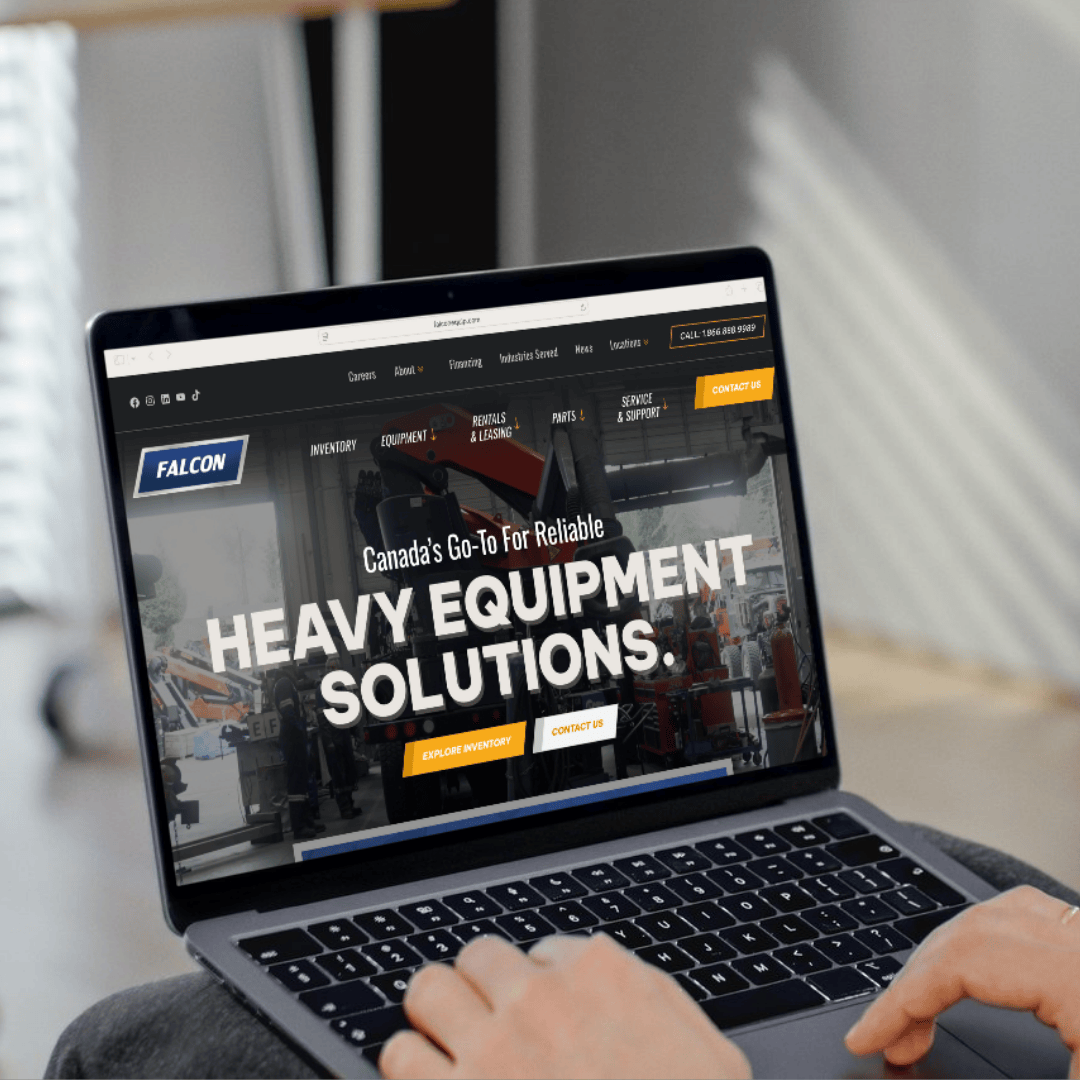
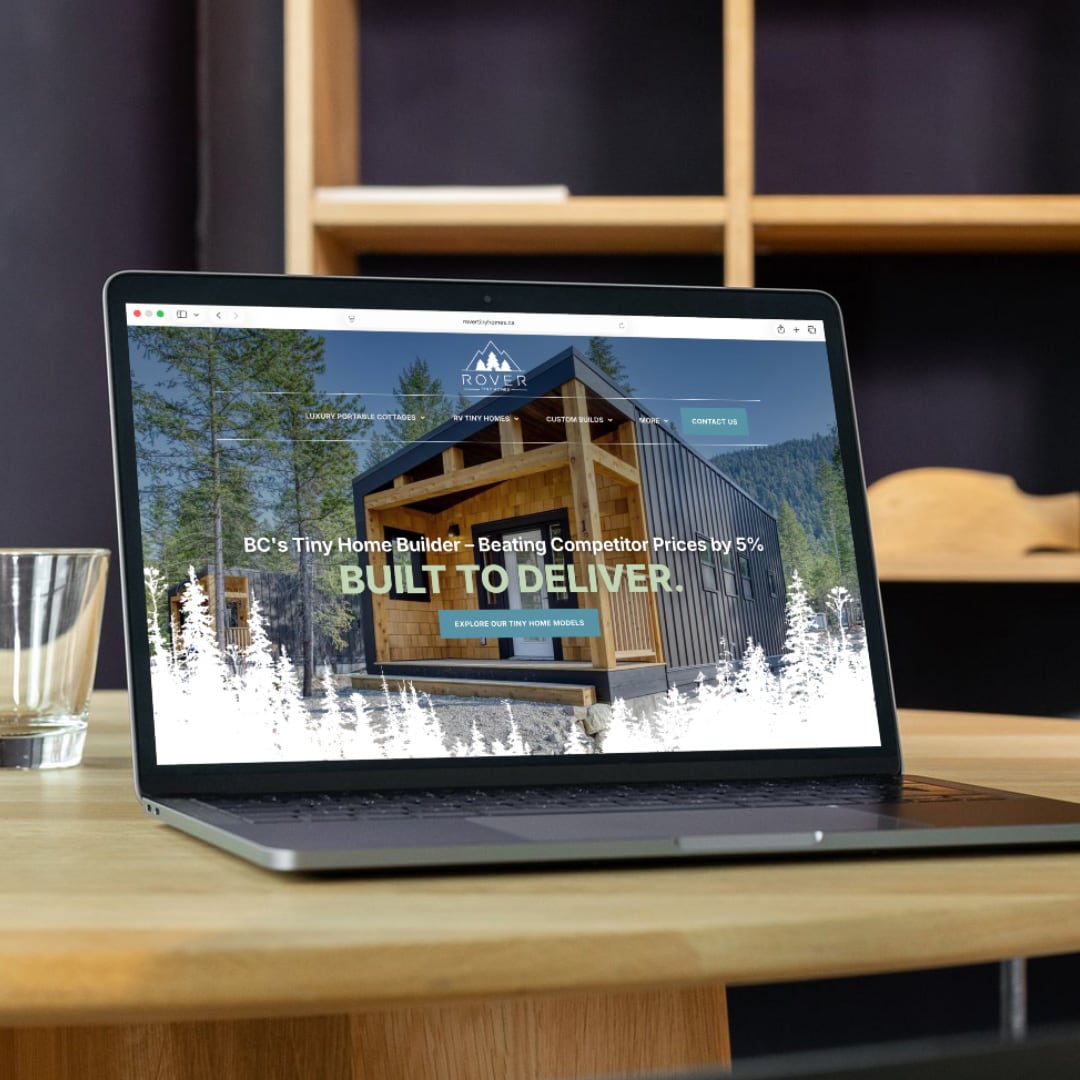
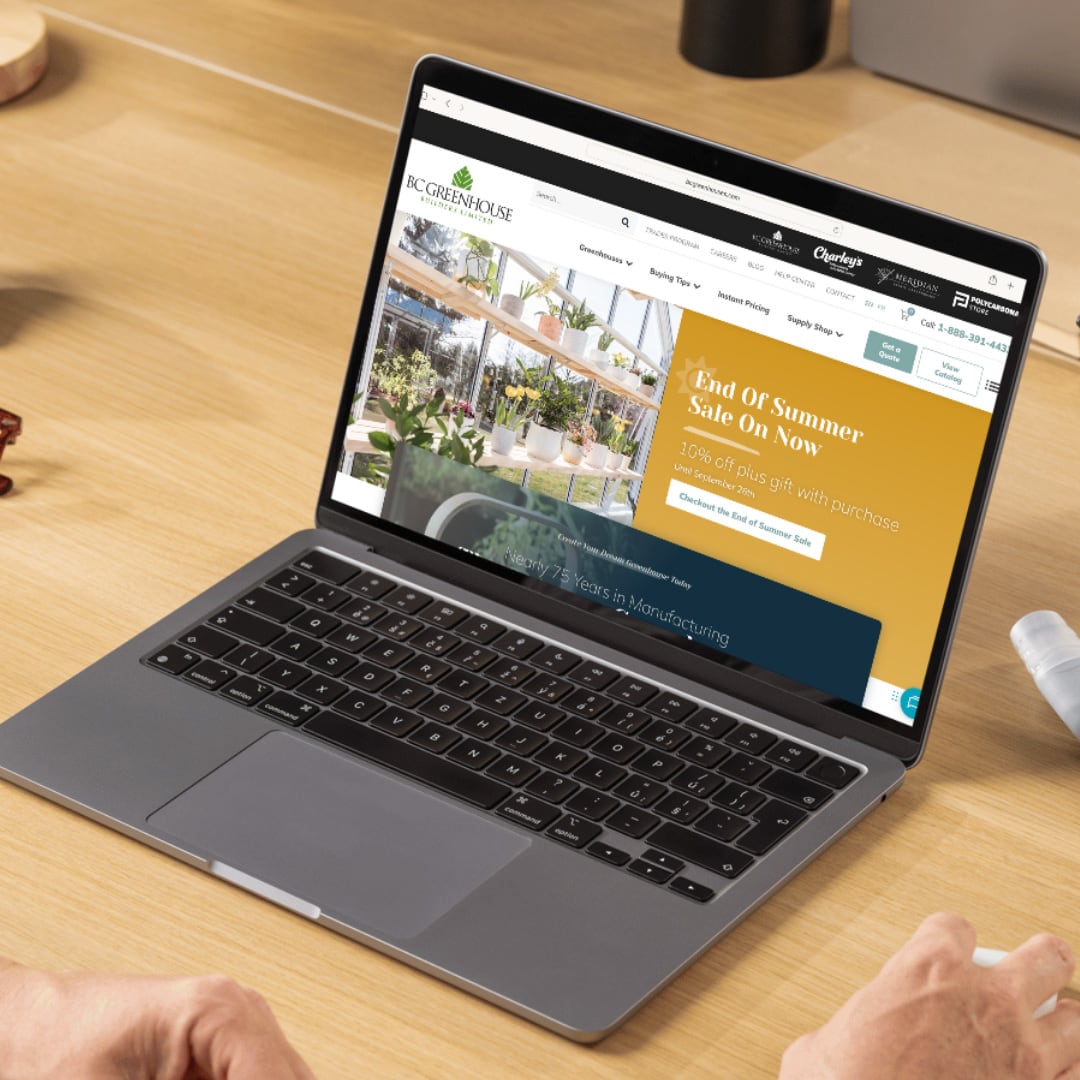
FirstPage Marketing tackled the substantial task of overhauling our 100+ page website to a streamlined, mobile responsive design with a clear and organized project plan. To date, we have experienced good gains with both traffic and user feedback and continue to work with them on fine tuning a very nice-looking website.
~ Angela Drake
BC Greenhouse Builders Ltd.
Winning a manufacturing account rarely happens on the first call, and neither does earning a client’s trust in a marketing partner. We measure our own success by whether you’re still working with us a year from now, not by how quickly a deal closes. That means showing up consistently and saying so when something isn’t working, rather than treating a long sales cycle as a reason to lose focus.
Every manufacturer that talks to us has a version of these same questions:

Manufacturers with 25 to 100 employees commonly land somewhere between $5,000 and $15,000 a month for ongoing SEO, content, and campaign management, while larger multi-segment or export-focused operations often invest $15,000 to $50,000 a month. Where your business lands within that range depends on your product mix and sales cycle, and that’s the first thing we talk through with any new manufacturing client, not a generic industry benchmark.
Paid campaigns can start generating requests for quote within the first few weeks, but a manufacturing sales cycle itself often runs six to twelve months or longer, so a lead showing up quickly doesn’t mean a closed order follows just as fast. SEO for technical, spec-heavy content usually needs several months to gain traction, especially in a competitive category. Running a paid campaign and a technical SEO push side by side tends to work better than sequencing them, and that’s typically how we set up the first few months for a new manufacturing client.
For manufacturers, paid search and LinkedIn ads tend to produce inquiries fastest, sometimes within just a week or two, though not every one of those inquiries turns out to be a genuine RFQ. SEO needs more patience, often several months, but tends to bring in more technically qualified visitors once your spec content starts ranking well. Trade shows still generate contacts too, though attribution back to a closed sale is notoriously hard to track compared to digital channels. At FirstPage Marketing, we typically combine more than one of these rather than relying on a single channel, especially given how long a manufacturing sales cycle already runs.
Reports focus on qualified requests for quote and pipeline activity tied back to your CRM, not raw traffic or form-fill counts that don’t tell you much on their own. The same account contact follows your campaigns for as long as you’re with us, so you’re never bringing a new person up to speed on your product line partway through a sales cycle. If trade shows are part of your marketing mix, we help connect booth contacts back to actual closed deals wherever that data exists.
Long-term contracts aren’t part of how we work with manufacturing clients. You can adjust or end services whenever your priorities shift, and the website and content you’ve paid for are yours to keep either way. Most manufacturers we’ve worked with end up staying far longer than any minimum term would have required, mainly because the monthly numbers make a clear enough case for keeping the relationship going.




We’re here to listen to you. Tell us what you need or where you want to go. We’ll help you find the best solution.