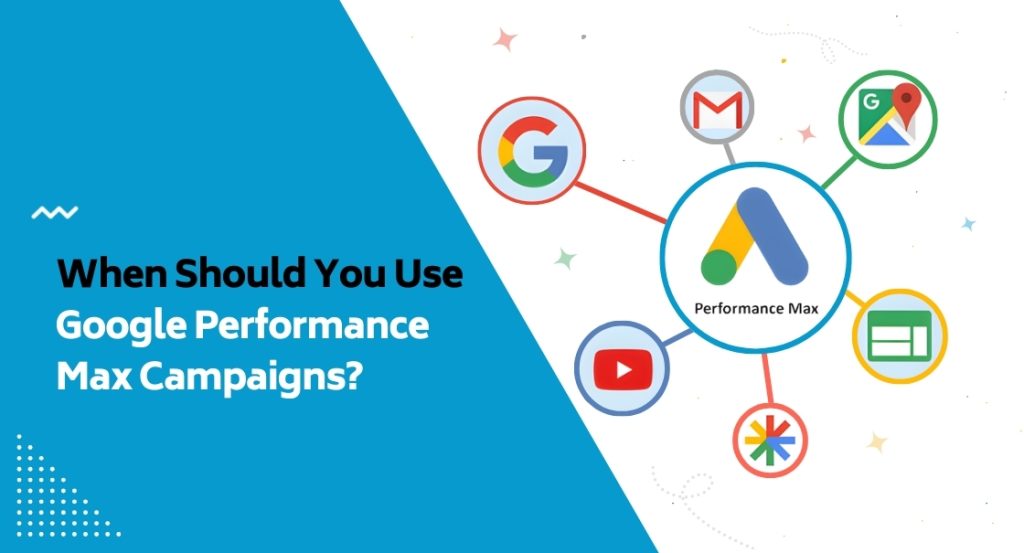
Performance Max has been generating plenty of buzz since it replaced Smart Shopping campaigns, and for good reason. When deployed correctly, this AI-powered campaign type can deliver serious results across all of Google’s advertising channels. The catch? Timing matters more than you might think. At FirstPage Marketing, we’ve seen businesses rush into Performance Max too early (watching their budgets evaporate with little to show for it), and others wait too long (missing opportunities to scale what’s already working). Understanding when you should use Google Performance Max campaigns is about recognizing specific conditions in your business and advertising strategy that position you for success.
Learn some best practices for converting leads into customers.
You Need Meaningful Conversion Data First
Performance Max runs on Google’s machine learning, which sounds impressive until you realize machine learning is only as good as the data feeding it. Google needs a baseline to understand what a valuable conversion looks like for your business. Without sufficient conversion history, the algorithm is essentially guessing. Think of it like teaching someone to cook your grandmother’s signature dish by showing them the finished plate without the recipe.
The Minimum Conversion Threshold
Most successful Performance Max campaigns start with at least 30 conversions per month. Some accounts perform adequately with slightly less, but it’s like operating with one hand tied behind your back. Below 15 conversions monthly, you’re better off building that foundation with traditional Search campaigns, where you maintain more control while gathering the data Performance Max will eventually need.
The learning phase alone typically spans two to four weeks. If your conversion volume sits in single digits, you’ll spend months in perpetual learning mode without ever reaching the optimization phase where Performance Max starts delivering its promised efficiency.
Why Conversion Tracking Quality Matters
Conversion tracking needs to be accurate and complete before you even consider launching. Performance Max makes decisions based on the signals you provide. Your tracking setup should capture:
- Form submissions and phone calls
- Online purchases with accurate revenue values
- Qualified leads versus casual inquiries
- Multi-step conversions across your customer journey
Learn how to create successful retargeting campaigns.
Your Budget Determines Campaign Viability
Performance Max campaigns demand budget flexibility that many businesses underestimate. Google officially recommends a daily budget of at least three times your target cost per acquisition. The algorithm needs room to test different placements, audiences, and creative combinations. Constrained budgets produce constrained results.
Understanding Budget Thresholds
- Under $1,000/month: Performance Max probably isn’t your best move yet. You need precise control over where every dollar goes.
- $1,000-$2,000/month: Possible but tight. Performance Max works better with more breathing room.
- $2,000+/month: Generally adequate for Performance Max to demonstrate its capabilities.
- Daily minimum: At least 1x your typical cost per conversion (3x is Google’s official recommendation).
Performance Max spreads your budget across Search, Display, YouTube, Gmail, Discover, and Maps. Some of those placements will inevitably underperform for your specific business. With a limited budget, you can’t afford to subsidize weaker channels while the algorithm figures out optimal allocation.
The Ramp-Up Reality
Budget constraints become particularly problematic during the ramp-up period. You’ll likely see fluctuating performance and potentially inefficient spending while Google’s AI learns your conversion patterns. Businesses comfortable testing a dedicated budget for six weeks without demanding immediate returns tend to see better long-term results than those making daily adjustments out of budget anxiety.
Brand Protection Requires Strategic Planning
One of Performance Max’s most frustrating characteristics involves how it handles branded search traffic. If you’re not careful, Performance Max will happily capture clicks on your own brand name while taking credit for conversions that would have happened regardless.
How Performance Max Captures Branded Traffic
Your branded Search campaigns typically represent your most profitable traffic. People searching specifically for your business name already know you and carry high purchase intent. You don’t need Google’s AI to find these customers.
Performance Max campaigns can override your branded Search campaigns under certain conditions. When your branded keywords use phrase match or broad match, Performance Max may enter the auction alongside your Search ads. The campaign with a higher ad rank wins, but this creates an internal competition problem where you’re essentially bidding against yourself.
Protecting Your Branded Search Campaigns
You have several options to prevent Performance Max from cannibalizing branded traffic:
- Use exact match keywords for all branded terms in your Search campaigns
- Implement brand exclusions at the Performance Max campaign level
- Monitor search term reports to identify branded query overlap
- Maintain higher ad rank in your branded Search campaigns
Skipping this step often leads to inflated Performance Max metrics that mask its true incremental value.
Product and Service Complexity Shapes Campaign Fit
Performance Max excels in certain business contexts while struggling in others. Understanding where your business falls on this spectrum helps determine readiness.
When Performance Max Excels
These business types typically see strong Performance Max results:
- Ecommerce with extensive catalogs: The AI can test numerous product and audience combinations to identify unexpected winners.
- Straightforward local services: Plumbers, dentists, and contractors serving specific geographic areas benefit from cross-channel local reach.
- Multiple product lines: Diverse offerings give Performance Max more opportunities to find winning combinations.
- Established brands with awareness: The algorithm leverages existing brand recognition across multiple touchpoints.
When to Proceed with Caution
Performance Max faces challenges with:
- Complex B2B sales: Services requiring extensive education before conversion struggle with limited messaging control.
- Highly specialized niche markets: Extremely specific offerings often perform better with precisely targeted Search campaigns.
- High-consideration purchases: Products or services with long decision cycles benefit from controlled messaging progression.
- Businesses with limited service capacity: Aggressive optimization might generate more leads than you can handle.
Service businesses with significant seasonal variation need to think carefully about automation. Performance Max doesn’t understand your operational constraints. If you book out weeks in advance during peak season, traditional campaigns let you throttle spend more precisely when you need to manage inquiry volume.
Existing Campaign Performance Provides Critical Context
The decision to launch Performance Max shouldn’t happen in isolation from your current advertising performance. If your Search campaigns consistently deliver profitable results with healthy conversion rates and manageable cost per acquisition, Performance Max should complement that success rather than replace it.
Building on What Works
Strong existing performance actually positions you better for Performance Max success. The conversion data from your Search campaigns feeds Google’s understanding of valuable customer signals. Those insights transfer into how Performance Max optimizes across channels. Accounts with mature, well-optimized Search campaigns typically see Performance Max find genuinely new audiences and placements rather than simply cannibalizing existing traffic.
When to Fix Fundamentals First
Conversely, if your current campaigns struggle with these issues, Performance Max won’t magically fix them:
- Inconsistent performance or unclear ROI
- Poor landing page conversion rates
- Weak or uncompelling offers
- Targeting misalignment with actual customers
The automation amplifies what’s already working. If your landing pages convert poorly, Performance Max will drive traffic to those poor-converting pages more efficiently. If your offer isn’t compelling, Google’s AI can’t manufacture demand that doesn’t exist.
Many successful advertisers run Performance Max alongside Search campaigns with clearly defined roles. Search targets high-intent keywords with precise messaging, while Performance Max explores broader awareness opportunities and finds converting customers outside traditional keyword targeting. This combined approach typically outperforms running either campaign type in isolation.
Resource Availability Impacts Management Success
Performance Max demands less daily optimization than manual campaigns, but it requires different types of attention. You’ll spend less time adjusting keyword bids and more time analyzing asset performance, testing new creative variations, and interpreting cross-channel insights.
Creative Asset Requirements
You need multiple high-quality assets for Performance Max to work effectively:
- Images: 10-15 high-quality images (landscape, square, and portrait orientations)
- Videos: 5+ videos showcasing your products or services
- Headlines: 15-20 headline variations (short and long formats)
- Descriptions: 10+ description variations
Someone needs to produce this creative content and refresh it regularly based on performance data. If your team barely has time to manage existing campaigns, adding Performance Max creates management complexity that might outweigh its benefits.
A Different Management Approach
The insight lag also requires patience that some businesses struggle to maintain. Performance Max reporting provides less granular detail than Search campaigns. You won’t see specific keyword performance or detailed placement breakdowns. If your management style involves daily micro-adjustments based on yesterday’s metrics, Performance Max will frustrate you. The campaign type rewards strategic patience over tactical tinkering.
Making the Right Call for Your Business
Performance Max works best for established advertisers with proven conversion tracking, adequate budget flexibility, and realistic expectations about automation’s capabilities.
You’re Ready When:
- Your Search campaigns consistently generate 30+ conversions monthly
- Your monthly ad spend exceeds $2,000
- You can commit to a six-week testing period without demanding immediate results
- Your conversion tracking is accurate and comprehensive
- You have resources to create and manage diverse creative assets
- Your existing campaigns show stable, profitable performance
You’re Probably Not Ready If:
- You’re just starting with Google Ads
- Operating on minimal budgets (under $1,000/month)
- Serving highly specialized niche markets
- Requiring precise control over ad messaging and placement
- Your conversion tracking has gaps or inaccuracies
- Current campaigns show inconsistent or unprofitable results
These limitations don’t reflect inadequacy. They simply indicate that traditional campaign types better match your current situation.
The question isn’t whether Performance Max is good or bad. The question is whether your specific business, at this specific moment, has the foundation necessary for Performance Max to deliver its promised benefits. Getting the timing right makes the difference between a campaign that scales your growth and one that drains budget without corresponding results.
If you’re evaluating whether Performance Max makes sense for your business right now, we can help you make that assessment honestly. Give us a call at (604) 866-2230 to talk through your current advertising performance, conversion data, and budget reality.