When potential customers in your area search for services you offer, does your business show up? If you’re not actively implementing local SEO strategies for businesses, you’re missing out on customers who are ready to buy right now. At FirstPage Marketing, we’ve helped hundreds of companies transform their online visibility, and we’ve seen firsthand how powerful local search optimization can be. The businesses that invest in local SEO are more likely to connect with customers in their community who are actively looking for what they offer.
Why Local SEO Matters for Your Business
Local search has fundamentally changed how people find and choose businesses. When someone searches for “plumber near me” or “best restaurant in Abbotsford”, search engines prioritize businesses that have optimized their local presence.
The statistics tell a compelling story. A significant portion of mobile searches have local intent, and many of those searchers visit a business within 24 hours. That’s not website traffic that might convert someday. These are qualified leads actively looking to make a purchase or book a service right now. If your competitors are showing up in those local results and you’re not, you’re handing them business that should be yours.
Claiming and Optimizing Your Google Business Profile
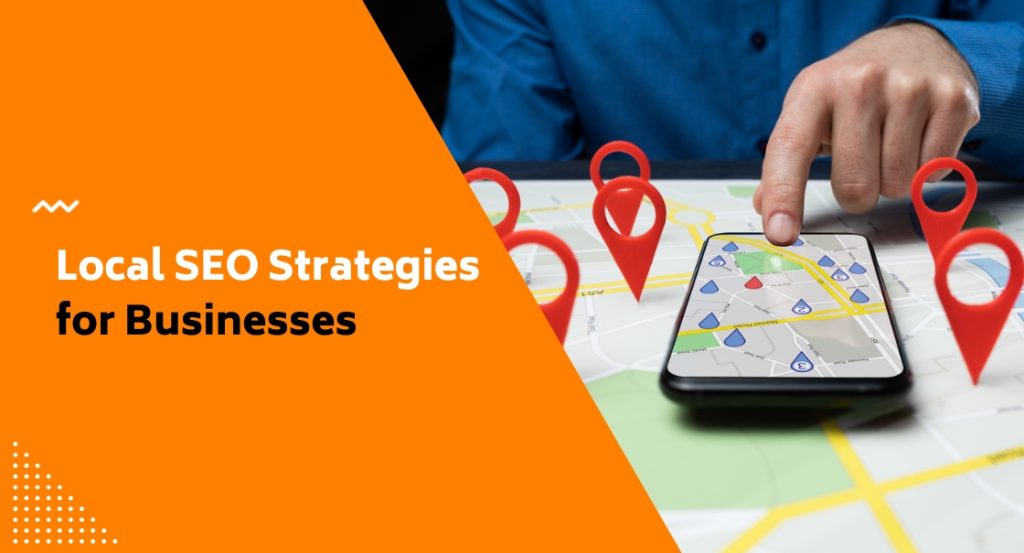
Your Google Business Profile is the cornerstone of any local SEO strategy. This free tool directly influences whether you appear in the local pack (those top results that show up with map pins when someone searches for local services). Without a properly optimized profile, you’re essentially invisible to local searchers.
Set Up Your Google Business Profile
Start by claiming your listing if you haven’t already. Fill out every single section completely. We’re not talking about rushing through the basics and calling it done. Include your accurate business hours, multiple phone numbers if you have them, your complete address, and detailed service descriptions. Add high-quality photos of your business, your team, your products, and your work. Businesses with photos receive significantly more requests for directions and clicks to their websites than those without.
Select Your Business Category
Choose your business categories carefully. Your primary category should be the most specific option that describes your core business. You can add secondary categories, but don’t go overboard choosing categories that don’t genuinely represent what you do. Search engines are smart enough to detect when businesses try to game the system.
Include Regular Updates
Regular updates matter more than most businesses realize. Post updates about special offers, new products, events, or helpful tips. These posts signal to Google that your business is active and engaged with customers. They also give potential customers more reasons to choose you over competitors who let their profiles gather digital dust.
Building Local Citations Across the Web
Citations are mentions of your business name, address, and phone number (often called NAP) across the internet. These mentions appear in online directories, review sites, social media platforms, and local business listings. Search engines use these citations to verify that your business is legitimate and to understand where you’re located.
Consistency is absolutely critical here. Your business information needs to be identical everywhere it appears online. If your website lists your address as “34334 Forrest Terrace #300” but a directory shows “34334 Forrest Terr. Suite 300”, search engines might think these are different businesses. That inconsistency dilutes your local SEO efforts.
Start with the major directories that matter most: Google Business Profile, Bing Places, Apple Maps, and Yelp. Then expand to industry-specific directories relevant to your business. For Fraser Valley businesses, local directories and chamber of commerce listings can be particularly valuable. These local citations carry extra weight because they confirm you’re genuinely part of the community.
Creating Location-Specific Content That Resonates with Customers
Content creation for local SEO is about creating genuinely useful content that addresses the specific needs and interests of your local audience. Create dedicated service pages for each location you serve. If you operate in Abbotsford, Chilliwack, and Langley, each location deserves its own page with unique content. Don’t just copy and paste the same content and swap out city names. Talk about the specific challenges customers in that area face, mention local landmarks, and demonstrate your knowledge of that community.
Write about local events, community issues, or regional characteristics that intersect with your expertise. A landscaping company might create content about plants that thrive in the Fraser Valley climate. A restaurant could write about sourcing ingredients from local farms. A financial advisor might discuss economic trends specific to British Columbia.
Earning and Managing Customer Reviews
Reviews have become one of the most powerful factors in local search rankings and consumer decision-making. Businesses with more positive reviews typically rank higher in local search results. Beyond rankings, reviews provide social proof that influences whether potential customers choose you or your competitors.
You need a systematic approach to gathering reviews. Train your team to ask satisfied customers to leave reviews. Make it easy by sending follow-up emails with direct links to your review profiles. The key is asking at the right moment: when customers are happiest with your service.
Responding to reviews matters just as much as getting them. Thank customers who leave positive reviews. This shows appreciation and demonstrates to potential customers that you value feedback. When you receive negative reviews (and every business eventually does), respond professionally and constructively. How you handle criticism tells people a lot about your business character.
Never, under any circumstances, buy fake reviews or incentivize reviews with discounts. Search engines have sophisticated systems for detecting review fraud, and the penalties can devastate your local rankings. Authentic reviews from real customers are the only reviews worth having.
Optimizing Your Website for Local Search
Your website needs clear signals that tell search engines where you operate and who you serve. Start with your homepage. Include your city and service area naturally in your content, title tags, and meta descriptions. Your contact page should prominently display your address, phone number, and a map showing your location.
Create a footer that appears on every page with your complete contact information. This consistent display of your location information helps search engines understand your geographic relevance. Use schema markup (structured data) to explicitly tell search engines about your business location, operating hours, and contact details.
Mobile optimization isn’t optional for local SEO. Most local searches happen on mobile devices, and search engines prioritize mobile-friendly websites in their rankings. Your site needs to load quickly, display properly on small screens, and make it effortless for mobile users to call you or get directions.
Building Local Links and Partnerships
Links from other local websites signal to search engines that you’re an established part of your community. These backlinks are particularly valuable for local SEO because they confirm your geographic relevance and authority.
Look for opportunities to sponsor local events, join community organizations, or partner with complementary local businesses. These relationships often result in links from their websites to yours. Guest posting on local blogs, participating in local business associations, and getting featured in local news coverage all create valuable local link opportunities.
Quality matters more than quantity here. For example: a link from the Abbotsford Chamber of Commerce website will carry more weight than dozens of links from random, unrelated websites. Focus on building genuine relationships within your community, and the links will follow naturally.
Measuring Your Local SEO Success
You can’t improve what you don’t measure. Track your Google Business Profile insights to see how many people are finding your listing, requesting directions, or calling your business. Monitor your rankings for local search terms relevant to your business. Use analytics to understand how much traffic comes from local searches and whether that traffic converts into customers.
Pay attention to which local keywords drive the most valuable traffic. Sometimes you’ll discover that slightly different search terms than you expected are bringing in your best customers. This insight allows you to refine your strategy and focus on what works.
Taking Control of Your Local Search Presence
Local SEO isn’t a one-time project you complete and forget about; it’s an ongoing strategy that requires consistent attention and refinement. The businesses that dominate local search results didn’t get there by accident. They invested time in optimizing their online presence, gathering reviews, creating valuable content, and building genuine connections within their community.
The good news is that local SEO is one of the most cost-effective marketing strategies available. While paid advertising stops working the moment you stop paying, the work you put into local SEO continues delivering results month after month.
If you’re ready to improve your local search visibility and connect with more customers, we can help. At FirstPage Marketing, we’ve spent over two decades helping businesses like yours dominate their local markets. We understand the unique challenges businesses face, and we know what it takes to stand out in local search results. Give us a call at (604) 866-2230 to discuss how we can develop a customized local SEO strategy that delivers real results for your business.